Patience, Persistence, and Proper Technique: Navigating the Chelsea Boot Break-In Period
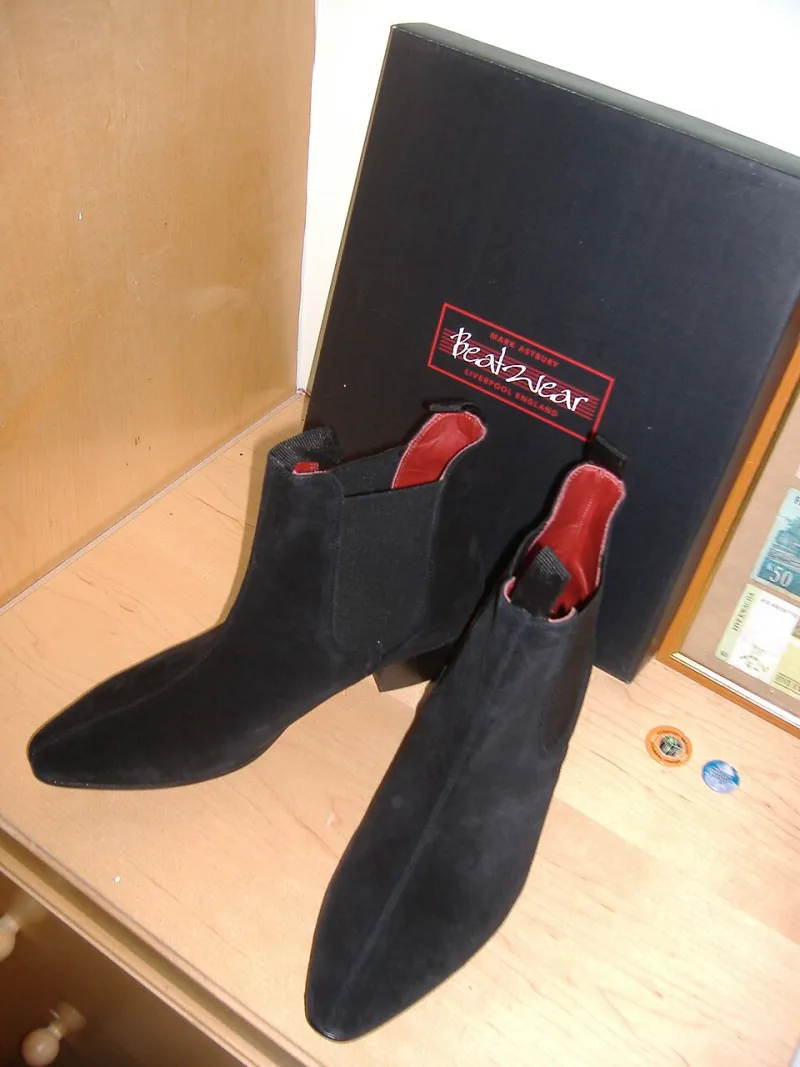
There is a particular kind of frustration reserved for the owner of a beautiful new pair of Chelsea boots. The leather is immaculate. The silhouette is precisely what you envisioned. And yet, after twenty minutes of wear, the heel is rubbing, the toe box feels unyielding, and you find yourself wondering whether the boots were, in fact, a mistake.
They were not. What you are experiencing is one of the most misunderstood aspects of investing in handcrafted leather footwear: the break-in period. It is real, it is occasionally uncomfortable, and it is entirely normal. More importantly, it is temporary — and what lies beyond it is a boot shaped entirely to the contours of your foot, worn with an ease that factory-produced footwear rarely achieves.
At Chelsea Boots Maker, we believe you deserve an honest account of this process, not merely reassurance. What follows is a practical guide to navigating the break-in period with your spirit — and your heels — largely intact.
Understanding Why the Break-In Period Exists
A handcrafted Chelsea boot is constructed from full-grain or top-grain leather that has been selected for its density and durability. Unlike synthetic materials, which offer immediate pliability, premium leather begins its life relatively stiff. The fibres within the hide must gradually loosen and realign around the specific architecture of your foot before the boot will conform to your movement.
This is not a flaw in the design. It is, in fact, evidence of quality. The same leather that resists your foot today will, in several weeks' time, hold the precise impression of your stride, your instep, and the particular way you push off from the ball of your foot. The boot becomes, in the truest sense, yours.
Realistic Timeline Expectations
Most wearers find that a well-constructed Chelsea boot reaches a point of genuine comfort within four to six weeks of regular wear. However, the timeline is not linear, and it is worth understanding the stages.
During the first week, expect noticeable resistance. The upper will feel firm, the heel counter particularly so. Limit your initial sessions to no more than two or three hours, and choose occasions that do not require extended walking.
By the second and third weeks, the leather will have begun to soften along the primary flex points — across the vamp and at the ankle. You may notice the boots feel markedly different after a day of wear than they did when you first put them on that morning. This is the leather responding to warmth and movement.
From the fourth week onwards, the transformation becomes pronounced. The boot will have moulded sufficiently to feel genuinely comfortable for the majority of a working day, and what remained stiff will have acquired a subtle suppleness that only improves with time.
Practical Strategies for Managing Discomfort
Wear thick socks initially. A pair of robust wool socks — the kind favoured for country walking or cold office mornings — adds a buffer between the leather and your skin during the most resistant phase. They also help stretch the boot marginally, accelerating the moulding process.
Use a leather conditioner from the outset. A quality conditioner, applied sparingly to the upper before the first wear, will not alter the boot's structure but will begin to soften the surface fibres, reducing the friction that causes blistering. Apply it to the heel counter in particular, as this is the area most likely to cause irritation.
Introduce the boots gradually. Wearing your new Chelsea boots for an entire working day on the first occasion is a common and regrettable error. Begin with short periods — an afternoon, an evening out — and increase the duration incrementally. Your feet will thank you, and the leather will respond more gracefully to measured, consistent wear than to prolonged sessions that leave both parties exhausted.
Address specific pressure points directly. If a particular area is causing persistent rubbing, a cobbler's stretching tool or a professional boot-stretching service can provide localised relief without compromising the boot's overall form. Many of our clients find that a single session with a boot stretcher at the heel or across the widest part of the foot resolves what felt like an insurmountable problem.
Blister plasters are not defeat. Keep a supply of quality blister plasters to hand during the early weeks. Protecting a developing blister promptly prevents the kind of soreness that forces you to abandon the boots entirely for several days — which is, in terms of the break-in process, a genuine setback.
When to Persist — and When to Seek Guidance
The break-in period demands patience, but it does not demand suffering. There is an important distinction between the ordinary discomfort of stiff leather softening around your foot and a boot that is fundamentally unsuited to your foot's shape.
Persist when the discomfort is general and diffuse — a sense of tightness or firmness that eases as the day progresses. This is the leather doing precisely what it should.
Seek guidance when the discomfort is sharp, localised, and does not diminish with wear. Pain concentrated at a single point — particularly along the side of the foot or at the base of the toes — may indicate a sizing or last issue that no amount of breaking-in will resolve. In these instances, returning to your maker is not an admission of defeat; it is the sensible course of action.
At Chelsea Boots Maker, we encourage any client experiencing persistent discomfort to reach out before concluding that the boot is wrong for them. In many cases, a minor adjustment — a stretched toe box, a softened heel counter — is all that stands between frustration and the boot you envisioned.
The Reward That Awaits
There is a moment, familiar to every committed wearer of handcrafted leather boots, when the break-in period quietly ends. You put on your Chelsea boots one morning and notice, almost with surprise, that there is nothing to notice. The boot simply fits. It moves with you rather than against you. The leather has taken on a warmth and depth that the factory-fresh pair never possessed.
This is the reward that the break-in period is, in truth, delivering: not merely a comfortable boot, but a boot that is irreversibly yours. No other pair will feel quite the same, because no other pair has been shaped by the particular character of your foot and your life.
The finest things rarely arrive without a period of adjustment. A handcrafted Chelsea boot is no different — and the patience it asks of you is repaid, in full, for every year you wear it thereafter.